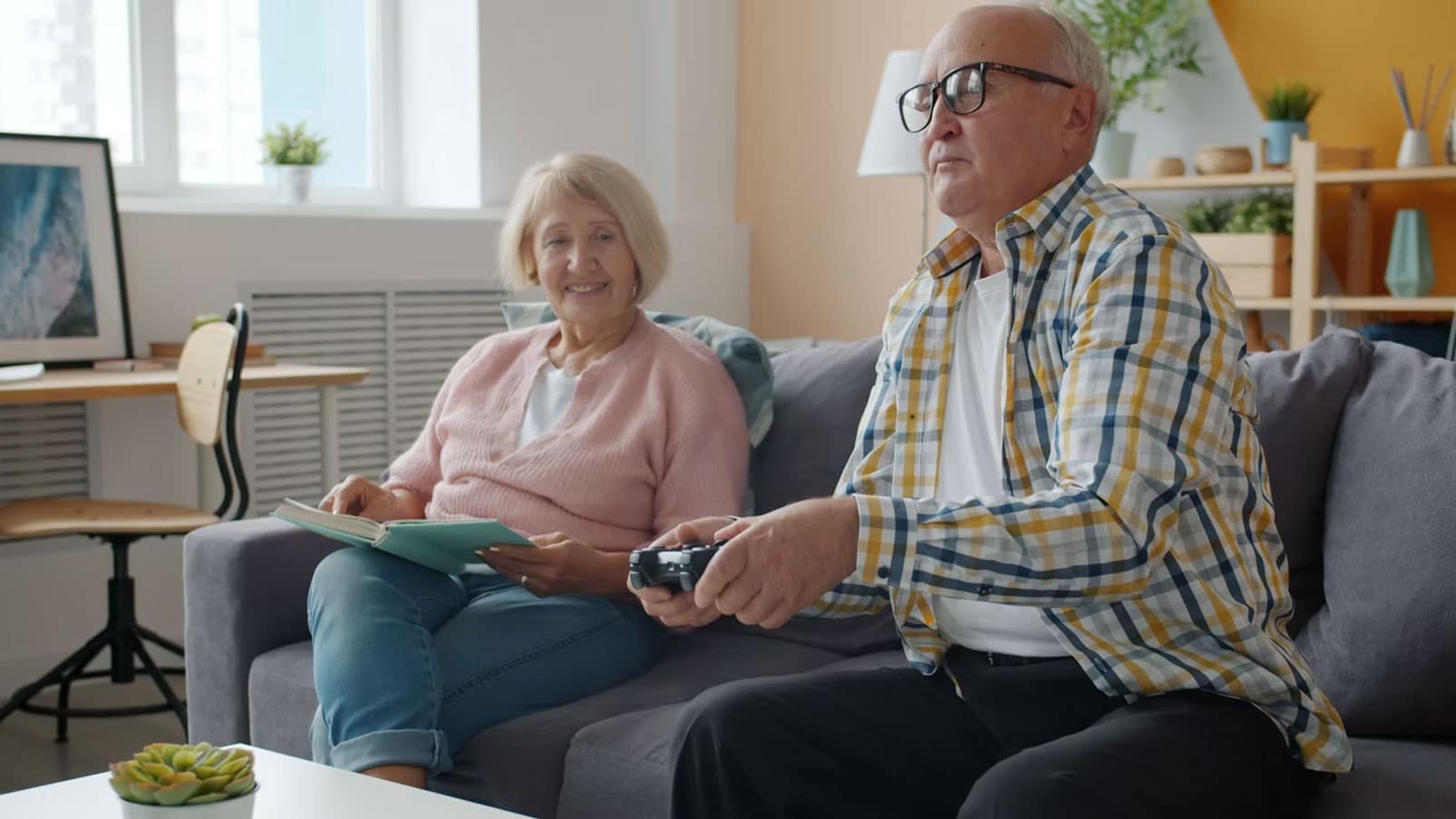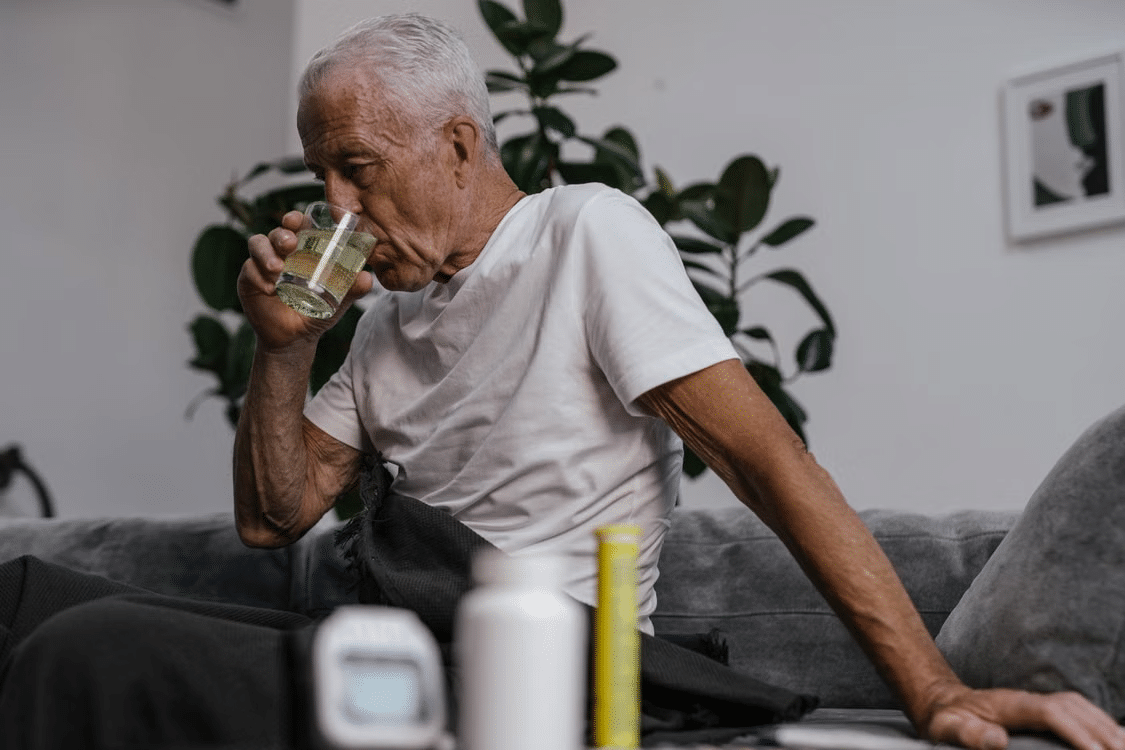
Staying at home is a desire we never let go of. Aging at home means choosing where we want to live out this stage of life, surrounded by what is familiar, by what is ours.
In Portugal, where more than 24% of the population is 65 or older and the aging index reached 192 points (4.2 older adults for every 100 young people) in 2024, the demand for home care is a growing social trend and a public health priority.
Home remains the best place to grow old in Portugal
With 2.5 million people aged 65 or older and a trend that shows no signs of slowing down, Portugal needs solutions that are up to this challenge.
Companies like Hands Care have been providing exactly that solution, helping families and seniors develop personalized and sustainable care solutions.
What does “aging at home” mean, and why is this the trend nationwide?
“Aging at home”—a concept that experts refer to as“aging in place”—means remaining in one’s own home as one gets older, with the appropriate support to maintain quality of life.
In Portugal, one of the European countries with the highest proportion of elderly residents, this lifestyle is becoming increasingly common and desirable. There are several reasons for this: emotional ties to one’s home, the desire to maintain one’s routine, the freedom to make one’s own decisions, etc.
There is also an economic argument that cannot be ignored: nursing homes entail high monthly costs, which are often unaffordable given the available pensions.
With the right support, tailored to each person’s actual needs, it is possible to offer a concrete and more humane alternative. This is the area where Hands Care works every day.
What are the advantages of aging at home rather than in a nursing home?
Staying at home is not just a matter of preference: it has a direct impact on health. Remaining in a familiar environment, when properly supported, helps preserve cognitive abilities and promote emotional stability.
Independence in old age is, in and of itself, a factor in well-being. Those who retain the ability to manage their own daily routines, meals, schedules, and visits feel more competent, dignified, and happy.
Home care services exist precisely to make this possible: they step in where needed, without taking away the independence of those who still have it and without imposing the collective rhythms that a home inevitably entails.
How to determine whether an older adult is still able to live at home
The best way to answer this question is through a structured assessment that examines four key areas:
- Independence in daily activities: Is the older adult able to eat, get dressed, take care of personal hygiene, and prepare simple meals without assistance or risk?
- Cognitive status: Is the older adult oriented in time and space? Does he or she make decisions clearly? Does he or she recognize dangerous situations?
- Safe Medication Management: Do older adults take the correct medications, in the right doses and at the right times, without any mistakes or confusion?
- Home Safety: Can the Risk of Falls or Accidents Be Managed with the Right Adaptations?
A limitation in one of these areas does not mean that the elderly person has to leave home. Hands Care guides families through this assessment process and helps them find the right solution for each situation, without rushing to conclusions or making generalizations.
Home Modifications to Ensure Safety and Prevent Falls
Making a home safe for older adults is one of the most effective measures—and, paradoxically, one of the most underestimated. In Portugal, falls account for the majority of accidents. The good news is that many of these accidents are preventable.
The most significant changes include:
- Install grab bars in the bathroom (specifically next to the toilet, in the shower, and in the bathtub);
- Place non-slip mats in the slipperiest areas;
- Ensure adequate lighting in all areas (including hallways and stairways);
- Remove loose rugs or furniture that obstructs movement;
- If necessary, install access ramps or raise the height of the seats.
These changes don’t have to be expensive or invasive: in most cases, small adjustments are enough to significantly reduce the risk and give those living in the home and their families a genuine sense of peace of mind.
How to Combat Loneliness and Social Isolation Among People Who Live Alone
Living alone in old age involves risks that go far beyond physical health; social isolation is now recognized as one of the greatest risk factors for the mental and cognitive health of older adults. Combating it requires everyone to take the initiative: family members, community services, and the older adults themselves.
Maintaining an active social life, participating in community groups, and attending day centers or intergenerational programs are practical ways to stay connected to the world.
When mobility is limited, caregivers play a vital emotional role as well as a practical one. There are days when a conversation is just as valuable as any medical treatment.
What technologies and services are available to support people who want to age in place?
Technology has become an increasingly accessible ally for those who want to age at home safely and independently.
Telecare systems, which, when activated, immediately connect to an emergency call center, are one of the most effective solutions for older adults who live alone.
Some local governments offer these services for free or subsidize them; it’s worth checking with your parish council.
There are also smart bracelets that detect falls and monitor vital signs, mobile apps for scheduling appointments, video-calling platforms for staying in touch with family, and home meal delivery services.
However, perhaps the decision that makes the biggest difference in daily life is choosing the ideal caregiver: someone who knows the person they’re caring for well, who adapts to their routine, and who is, at the same time, a trustworthy professional and a comforting presence.
When in-home care is no longer an option but a necessity
There comes a time when the challenges of daily life can no longer be managed within the family and begin to require specialized support. Recognizing that moment is an act of responsibility and love.
When an older adult begins to lose weight for no apparent reason, neglects personal hygiene, becomes confused about their medication, has difficulty moving around safely, or shows signs of cognitive decline, in-home care ceases to be a convenience and becomes a necessity.
The sooner it is implemented, the better the quality of life and the greater the peace of mind for the whole family. Hands Care is ready to respond in these moments with speed, competence, and a personal touch.
To finish
Aging well is the result of adequate support and an environment that is prepared to embrace each stage of life with dignity.
For most people, choosing to age at home is the decision that best honors their personal history. With the right services and the right people nearby, it’s possible to age at home with a true quality of life.
If you’re considering this option for yourself or someone close to you, schedule a free consultation with Hands Care and find out how a care plan