Winter is a season that, although beautiful, brings significant challenges, especially for senior health.
At this time of year, temperatures drop, immune systems tend to weaken and exposure to viruses and other risks increases substantially.
For those wondering what illnesses the elderly should take special care of during the winter, this article explores the main dangers and shares practical preventative measures that can make all the difference.
At Hands Care, our commitment to providing humanized home support translates into proactive care that helps minimize these risks and promote well-being in the comfort of home.
Why does winter increase health risks for the elderly?
With the arrival of winter, the elderly are more exposed to health problems, as the cold exacerbates a number of risk factors.
Low temperatures can compromise the body’s ability to keep warm, reduce the effectiveness of the immune system and encourage the proliferation of viruses that circulate more actively at this time of year.
In addition, the elderly tend to spend more time indoors, which facilitates the transmission of respiratory infections such as the flu and other viruses.
It is also common for them to face sudden changes in temperature when leaving heated indoor spaces for the outdoors, which can affect the cardiovascular and respiratory systems.
The most common respiratory diseases among the elderly in winter
Respiratory diseases among the elderly in winter are a major concern. The cold, dry air can irritate the airways and make it difficult to expel secretions, which encourages viruses and bacteria to multiply.
Among the most common respiratory diseases are the following:
Flu
The flu, caused by the influenza virus, is particularly dangerous for seniors, as it can cause serious complications, such as pneumonia, or exacerbate chronic illnesses.
Symptoms include high fever, cough, muscle pain and tiredness. Annual vaccination is one of the most effective prevention measures.
Pneumonia
Pneumonia is one of the biggest respiratory threats in winter, especially in people with weakened immune systems or pre-existing lung diseases.
This inflammatory condition of the lungs can require hospitalization and is potentially fatal if not treated in time.
Finally, apparently mild respiratory infections, such as the common cold, can develop into more serious conditions in the elderly if they are not properly monitored.
Cardiovascular risks aggravated by cold weather
As well as affecting the respiratory tract, the cold can put a strain on the heart, which underlines the importance of cardiovascular care during the winter.
Exposure to low temperatures causes blood vessels to constrict, increasing blood pressure and forcing the heart to work harder.
This increases the risk of events such as heart attacks and strokes, especially in older people with a history of hypertension or other heart conditions.
It is therefore essential to monitor your blood pressure regularly and follow your doctor’s advice on medication and lifestyle.
In these cases, Hands Care’s home services prove invaluable, helping not only with the organization and correct taking of medication, but also with daily monitoring and keeping an eye out for warning signs that require medical attention.
Mobility problems and falls during the winter
Falls among the elderly in winter are more frequent due to slippery floors, reduced visibility on cloudy days and muscle stiffness caused by the cold.
A simple slip can result in fractures or trauma, leading to long and complicated recovery periods.
Inside the house, loose carpets, poorly lit areas or obstacles in the way also increase the risk.
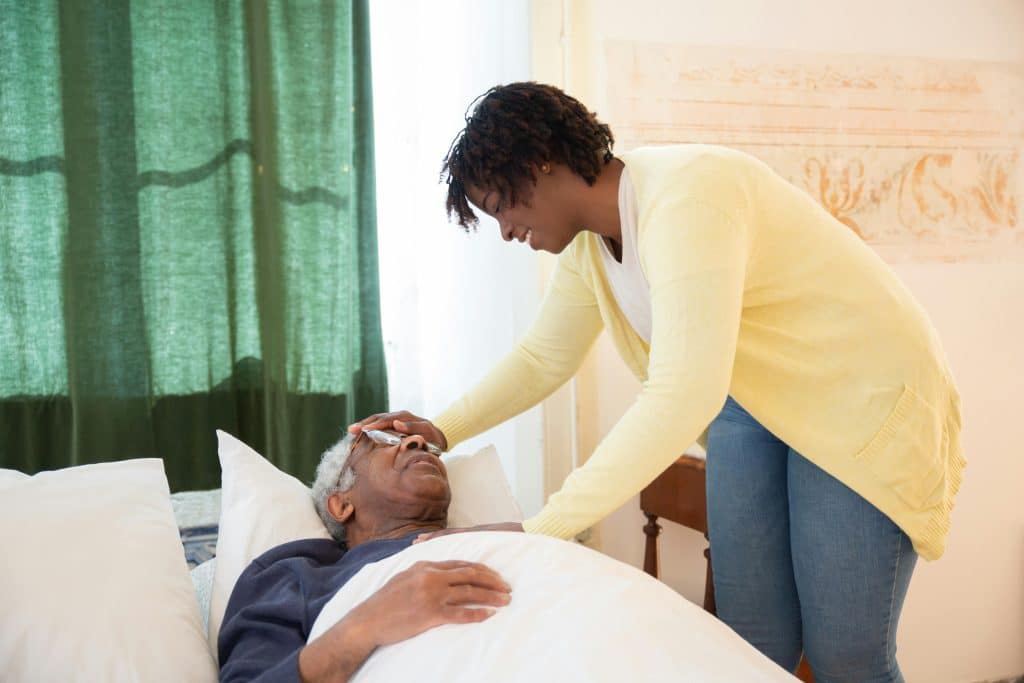
In these contexts, the presence of a caregiver is essential to ensure safe movement and prevent accidents. In the event of injuries, physiotherapy at home, such as that offered by Hands Care, plays an essential role in rehabilitation and restoring mobility.
Additional care for the elderly with chronic illnesses
For elderly people with chronic illnesses such as diabetes, arthritis or heart problems, the challenges of winter are even greater. Low temperatures can aggravate symptoms and complicate the management of these conditions.
Maintaining a health monitoring routine, ensuring that medication is correct and adapted to individual needs and promoting healthy habits, such as a good diet, are fundamental aspects of maintaining physical and emotional balance.
Hands Care’s specialized home support service can be an asset in these cases, ensuring continuous monitoring and adjusting care as necessary.
Prevention strategies to keep the elderly protected from the cold
Prevention is key to minimizing the health risks of cold weather for the elderly. Some simple (but effective) strategies include:
- Timely vaccination against flu, COVID-19 and other seasonal infections;
- Dress in layers to maintain body heat and protect your extremities;
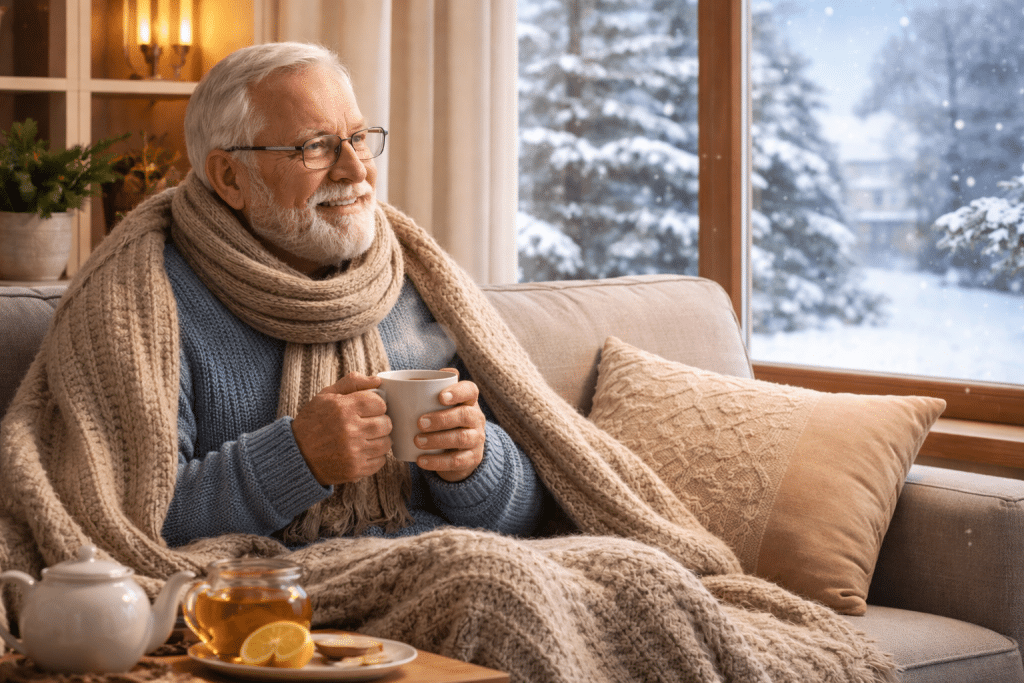
- Keep the house warm and ventilated, avoiding draughts;
- Adequate hydration, even if you don’t feel thirsty;
- Light, regular exercise adapted to your physical condition;
- Supervision by a caregiver to ensure safety, warn of potential risks and help with daily tasks.
These measures are part of a complete winter care plan for the elderly and promote a safer and more comfortable environment.
When to seek medical help: warning signs not to ignore
Even with prevention, there are situations that require immediate medical attention, such as
- Sudden difficulty breathing or shortness of breath;
- Persistent high fever, especially with a strong cough;
- Chest pain or signs of stroke, such as weakness on one side of the body;
- Fall with significant pain or inability to get up.
These signs can indicate serious complications, such as pneumonia or cardiovascular crises, and should not be ignored.
Final considerations
Looking after senior health in winter goes far beyond providing warmth. It’s also about anticipating risks, adapting routines and ensuring specialized support when necessary.
With the right guidance and attentive support, such as Hands Care‘s home support, it’s possible to get through the cold with more dignity, safety and quality of life.
Frequently Asked Questions (FAQs)
What are the most important precautions to protect the elderly in winter?
Keeping the elderly warm, well hydrated, with a balanced diet, assisted mobility and regular health monitoring are essential at this time of year.
How do you prevent respiratory diseases among the elderly in winter?
Prevention includes vaccination against flu, pneumonia and COVID-19, avoiding sudden changes in temperature and keeping the house well ventilated and heated.
What can be done to prevent falls in the winter?
Eliminating obstacles in the home, ensuring good lighting and having the support of a caregiver for safer movement are fundamental measures.
In what situations are home support services most recommended in winter?
Whenever the elderly person is chronically ill, takes daily medication, has reduced mobility or lives alone, home support becomes crucial.
What are the warning signs that indicate the need to seek medical help?
Shortness of breath, persistent fever, chest pain, sudden weakness or a fall with significant pain are symptoms that should always be assessed by a health professional.