When temperatures drop and the days grow shorter, home is no longer always the safe haven we imagine it to be.
For many Portuguese families, winter brings silent concerns, such as an increase in falls among the elderly, the cold that sets in at home, and the loneliness that deepens week after week. This is not alarmism, but rather a documented reality that demands extra attention from caregivers.
At Hands Care, which provides home care services in the Greater Lisbon area, we’ve been closely monitoring these most critical months and know that, with information and a supportive presence, it’s possible to make winter a more peaceful and safe season.
Why does the risk of falls skyrocket during the colder months?
Data from the World Health Organization (WHO) on falls reveal that falls are the second leading cause of accidental death worldwide, with people over 60 accounting for the highest number of fatal falls.
In winter, several factors combine to increase this risk:
- Muscle and joint stiffness caused by the cold, which slows down movement;
- Reduced mobility and less exercise, since older adults leave the house less often and lose strength more easily;
- Shorter, darker days, which make it harder to find one’s way in hallways and on stairs;
- Wet or slippery floors, common with the rain and humidity typical of this time of year.
Since people over the age of 65 fall at least once a year, every cold month represents an additional period of risk.
The Silent Danger of Hypothermia Inside the Home
Many believe that hypothermia only threatens those who are exposed to the cold outdoors, but they couldn’t be more wrong.
As we age, the body loses muscle mass and fat, circulation slows down, and the ability to generate and retain heat decreases. As a result, an older adult can become dangerously cold indoors, even without going outside.
Hypothermia occurs when body temperature drops below 35 °C, an emergency that can arise even after seemingly mild exposure to the cold. The WHO recommends a minimum indoor temperature of 18 °C, although the most vulnerable groups (such as the elderly) may require a higher temperature.
In Portugal, this warning takes on greater significance: according to Eurostat data, in 2024, about 14.5% of the Portuguese population was unable to keep their homes adequately heated, living in cold, damp homes that were difficult to heat.
How isolation worsens as the days grow short and gray
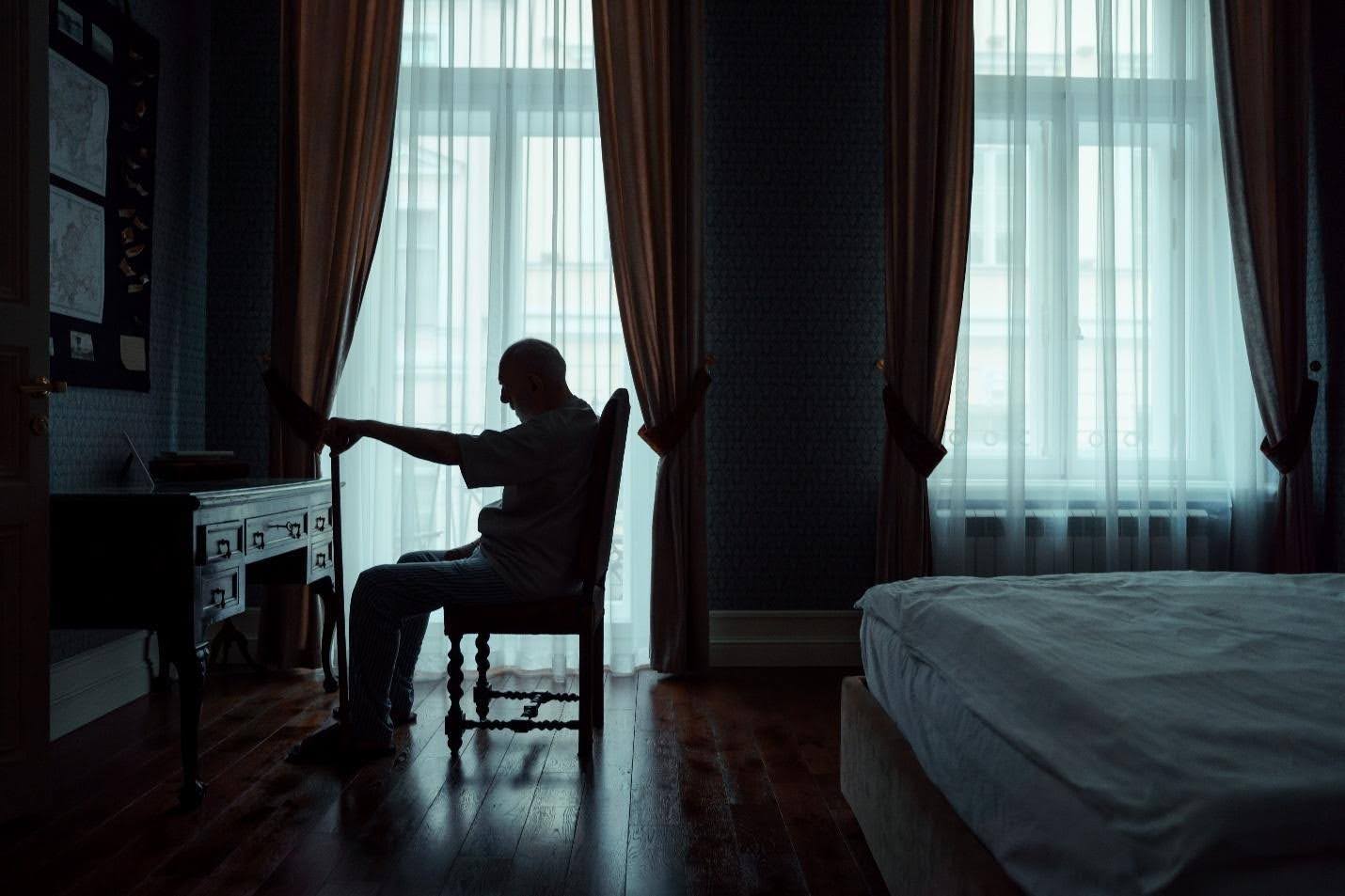
Winter closes doors—both literally and emotionally. With the cold, rain, and early sunsets, older adults drastically reduce their outings, visits, and social interactions. This reduced social activity has serious consequences:
- It accelerates cognitive decline and the loss of functional independence;
- Increases the risk of depression and other mental health problems;
- Impairs sleep quality and overall well-being due to reduced exposure to sunlight.
Loneliness is not just a state of mind: the WHO has declared it a pressing threat to public health and established an international commission dedicated to the issue, warning that a lack of strong social connections increases the risk of stroke, anxiety, dementia, and depression. According to CNN Portugal, the impact of isolation on mortality has been compared to that of smoking up to 15 cigarettes a day.
Maintaining regular contact—through phone calls, visits, or daily companionship—is a true remedy. On our blog, we discuss loneliness in older adults in detail and how to recognize its signs.
Respiratory illnesses that are most prevalent at this time of year
Respiratory viruses circulate most widely in the winter, and people spend more time indoors, which facilitates the spread of infection.
For older adults, cold, dry air irritates the airways, and infections put a strain on the lungs and heart, with particularly severe consequences in cases of:
- Seasonal flu, which typically peaks between December and February in Portugal (the Directorate-General for Health [DGS] recommends annual vaccination for people aged 65 and older);
- Pneumonia, often a complication of poorly managed respiratory infections;
- Exacerbations of chronic diseases, such as chronic obstructive pulmonary disease (COPD) and asthma.
It is not surprising, therefore, that winter is the season with the highest excess mortality: preliminary data indicated that, since the beginning of December 2025, Portugal has recorded an excess mortality rate of about 22% associated with the cold weather and the flu epidemic, with the greatest impact on the elderly population.
Small Changes at Home to Prevent Serious Accidents in Winter
The good news is that many falls among older adults can be prevented with simple adjustments:
- Improve lighting: Install motion-sensor lights along the path between the bedroom and the bathroom;
- Remove obstacles: take up or secure loose rugs and tidy up electrical cords in the hallways;
- Equip the bathroom, the most dangerous space: install grab bars next to the toilet and in the shower, use a non-slip mat, and, if necessary, a shower chair;
- Ensure stable support: handrails on the stairs, chairs with armrests, and a bed at the appropriate height;
- Choose the right footwear: closed-toe and non-slip shoes, rather than slippers;
- Keep your home warm: close doors and windows tightly, seal any drafts, and prevent sudden temperature changes between rooms.
These small changes at home prevent serious accidents and restore confidence to those who are mobile.
Signs that an older adult isn’t staying warm or eating well
There are subtle clues that shouldn’t go unnoticed:
Signs that the body isn’t getting warm enough
- Persistently cold hands and feet;
- Unusual drowsiness or confusion;
- Slurred speech or tremors.
Signs of insufficient nutrition
- Loss of appetite or refusal to eat;
- Unintentional weight loss (clothes or rings suddenly becoming looser);
- Fatigue and lethargy with no other apparent explanation.
In cold weather, the sensation of thirst also diminishes, which quietly increases the risk of dehydration. Being aware of these signs allows you to take action in time.
How Home Care Makes a Difference During the Most Critical Months of the Year
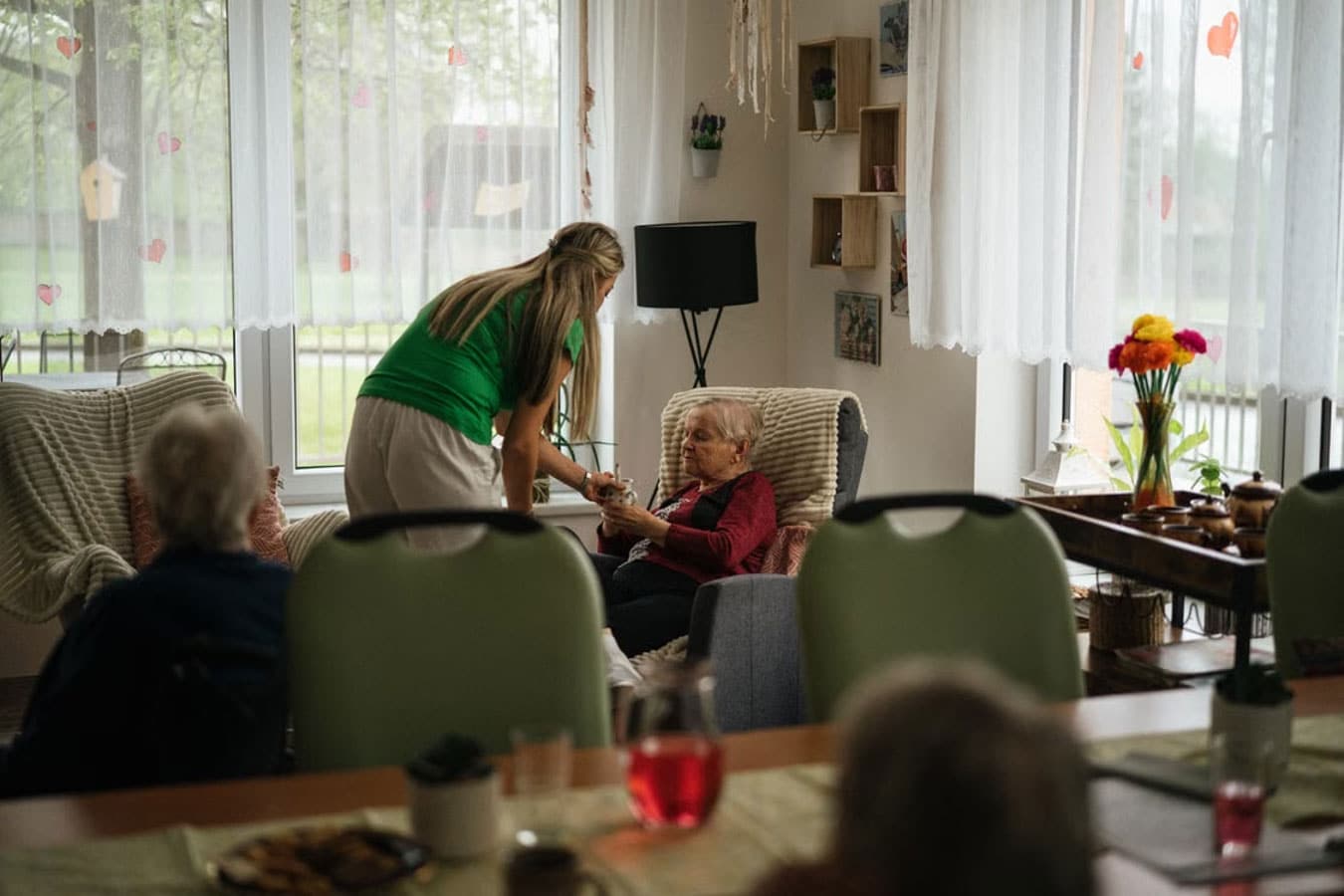
This is where having a professional on hand makes all the difference. A home caregiver:
- Monitors the room temperature and ensures that the house stays warm;
- Encourages hydration and the consumption of hot meals, even when appetite is low;
- Supports mobility, preventing falls during daily activities;
- Manages medication and detects early warning signs, ranging from a worsening cold to weight loss;
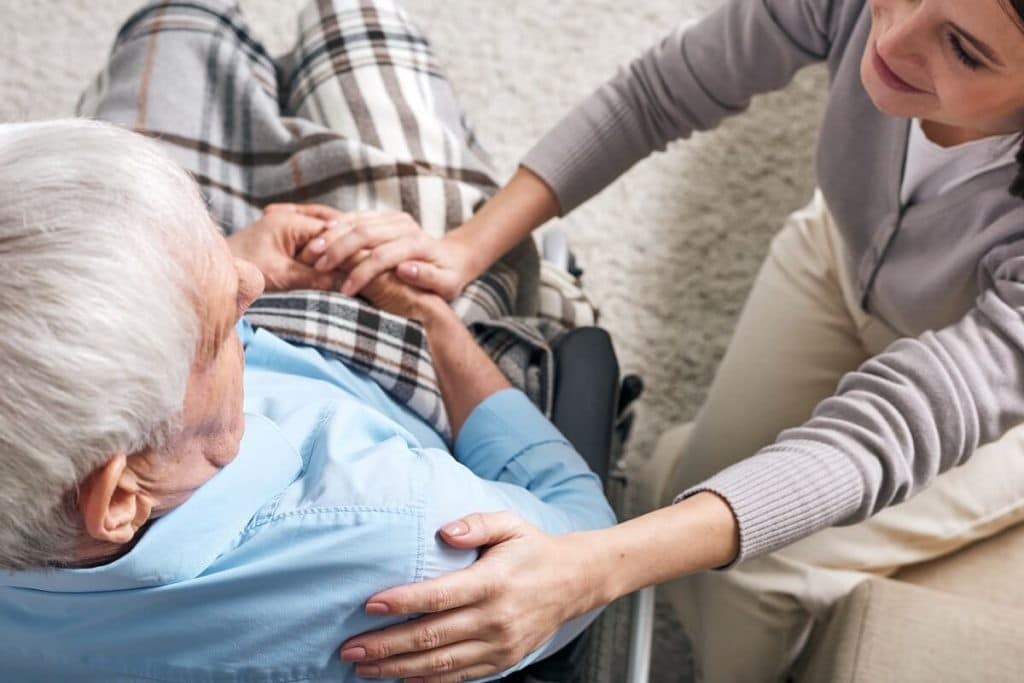
- Provides daily companionship, breaking the isolation that winter tends to exacerbate.
Our in-home care services are personalized and flexible, designed to help your loved one spend the winter with dignity, warmth, and safety, without leaving home.
Contact us and schedule a free consultation so that your next winter will be much more peaceful.