There’s a certain kind of exhaustion that doesn’t go away after a night’s sleep—the exhaustion of someone who wakes up in the middle of the night to help, of someone who misses work to take someone to a doctor’s appointment, of someone who no longer has time for themselves. Well, that kind of exhaustion has a name: “caregiver burnout.”
In 2026, this is one of the country’s most overlooked and least discussed health issues. At Hands Care, a home care company licensed by Social Security (License No. 59/2025), we hear every day about people who devote themselves body and soul to a family member and forget that they, too, need care. That’s why this article is for you—the caregiver.
The invisible burden of caring for a family member every day
Caring for someone we love seems natural, if not almost obligatory. Perhaps that is why the efforts of caregivers are rarely recognized.
A 2020 national survey by the Movement to Care for Informal Caregivers, released on Informal Caregivers’ Day, observed on November 5, pointed to an increase from 800,000 to about 1.4 million informal caregivers in Portugal, but only a small fraction have formally recognized status.
According to data from the Social Security Institute, presented in October 2025, there were 18,149 caregivers with recognized status (84% of whom were women, with an average age of 57). Among those who had already been assessed, more than half were experiencing burnout, and only 4% had been granted a period of rest.
Behind these numbers lies an invisible burden:
- A life that revolves entirely around another person;
- Outings with friends that no longer happen;
- A career that is put on hold;
- Your own body, which you neglect.
It’s a full-time job with no set hours, no end in sight, and often not a single word of thanks.
The signs of burnout that caregivers ignore until it’s too late
Burnout rarely strikes suddenly; it creeps up slowly, hiding behind the usual excuse that “it’s just tiredness,” even though it’s actually something much more serious, known as “caregiver burnout syndrome.” That’s why there are signs that deserve attention:
- Persistent fatigue that does not improve, even after resting;
- Increasing irritability and impatience, sometimes toward family members;
- Changes in sleep and appetite, insomnia, or restless nights;
- Social isolation and loss of interest in activities that were once enjoyable;
- More frequent illnesses, such as recurring colds and flu;
- Emotional detachment, in which caregiving becomes mechanical.
Although many caregivers recognize themselves in this list, the truth is that they keep pushing the warning signs aside, gradually ignoring them. The problem is that the body and mind always end up taking their toll.
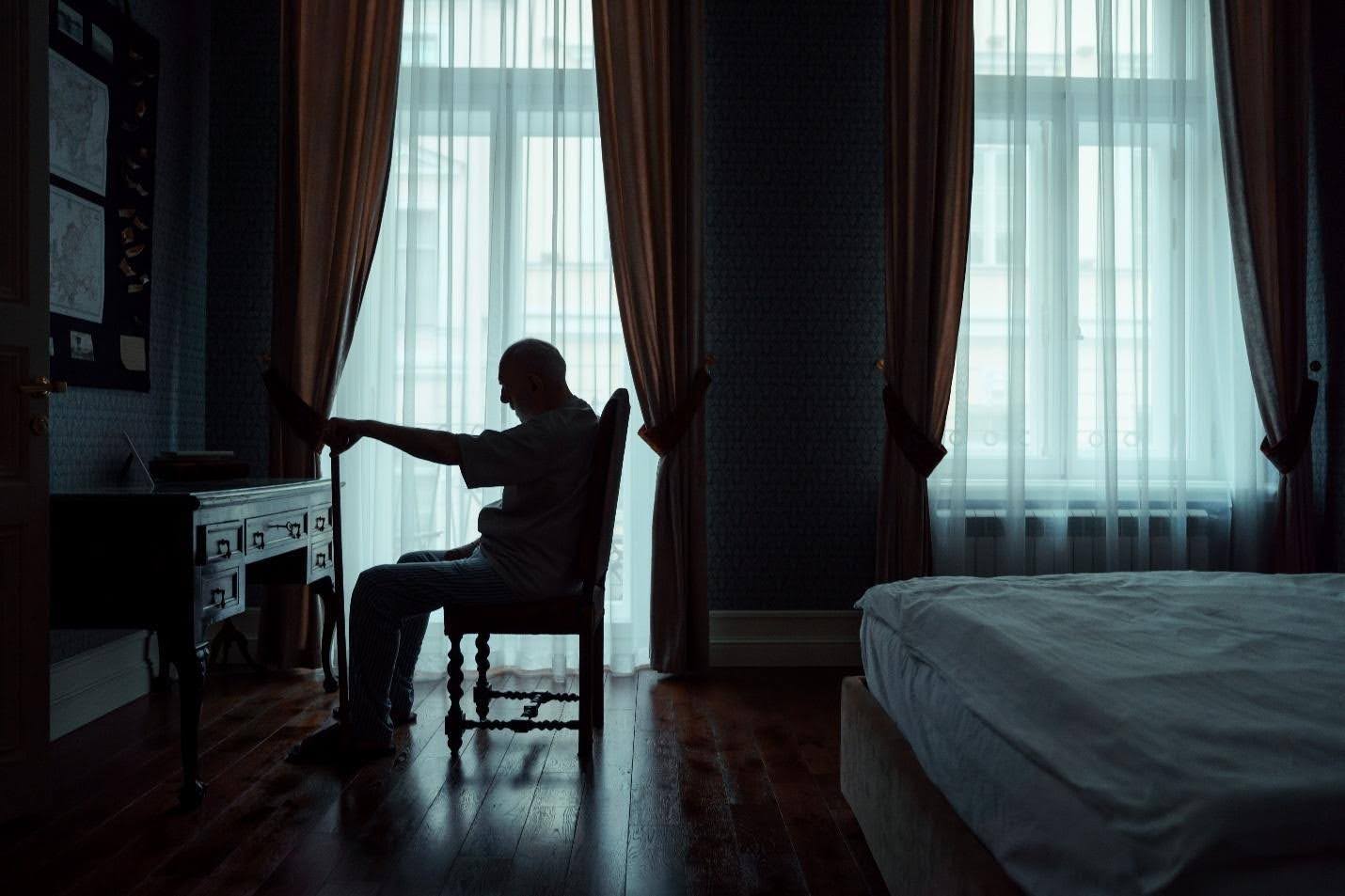
Just like loneliness in old age, burnout is a form of suffering that goes unseen—and that is precisely why it is so dangerous.
Why does guilt prevent so many families from asking for help?
- “If I don’t take care of him/her, who will?”;
- “No one takes care of him/her like I do”;
- “Asking for help is admitting that I’m not capable.”
We can say that, in our field, we hear the above phrases time and time again. Guilt is, perhaps, the greatest obstacle to the well-being of caregivers.
There is a perception that taking a break means abandoning someone, and that accepting help means failing those we love—even though the numbers tell a different story: according to the study “Mental Health and Well-Being Among Informal Caregivers in Portugal,” about 80% of respondents have felt the need for psychological support, even though many never seek it.
Guilt silences, isolates, and puts things off until we no longer have the strength. Knowing how to recognize our limits isn’t selfishness; rather, it’s an essential prerequisite for continuing to care for others well.
The “Caregivers’ Fund” and the breaks that have finally been recognized
For years, the caregiver’s right to rest existed only on paper, with no practical solutions to make it a reality. In January 2026, under Administrative Order No. 21/2026/1, dated January 21, the government launched the “Caregiver Exchange” pilot project, which reserves spots at day centers, Centers for Activities and Training for Inclusion (CACI), and home care services so that informal caregivers can take time off and rest.
The pilot project will last 12 months and covers 18 municipalities—one from each district in mainland Portugal—with the government paying 140% of the monthly amount specified in the cooperation agreement for each reserved spot.
Eligible caregivers can receive support for absences due to health reasons, work commitments, or force majeure for up to 7 consecutive hours, with a monthly limit of 56 hours per person receiving care.
A “Volunteer Pool,” managed by the municipalities, was also created for absences of up to 3 hours. In addition, the“Informal Caregiver Statute,”governed by Law No. 100/2019 of September 6, provides for a rest period defined in the “Specific Intervention Plan” and a support allowance for the primary informal caregiver, whose reference amount in 2026 is €590.84 per month (1.1 × IAS of €537.13).
As of January 1, 2026, this subsidy is no longer considered income for the purposes of other benefits. To find out what types of assistance you can apply for, see our guide on how to apply for social assistance for seniors.
How Home Care Gives Caregivers Time and Rest
Public services don’t always arrive in time or cover all needs. This is where private in-home care becomes a valuable ally, complementing family care rather than replacing it.
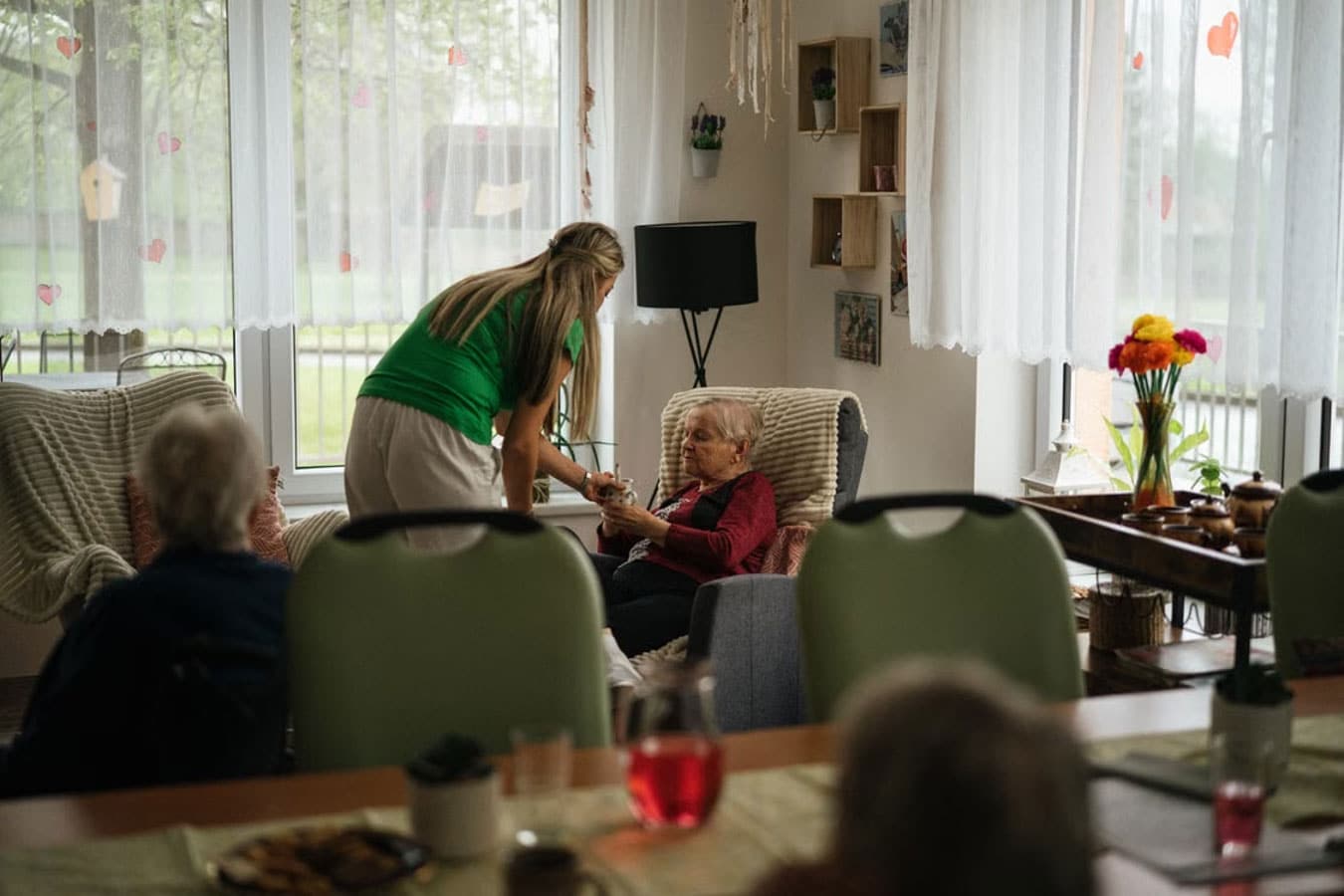
At Hands Care, every care plan begins with an assessment and a personalized care plan tailored to each person’s individual circumstances. We provide support:
- In personal care (hygiene, nutrition, mobility, and medication management);
- In organizing the home;
- In home health care, with ongoing and transparent communication with the family.
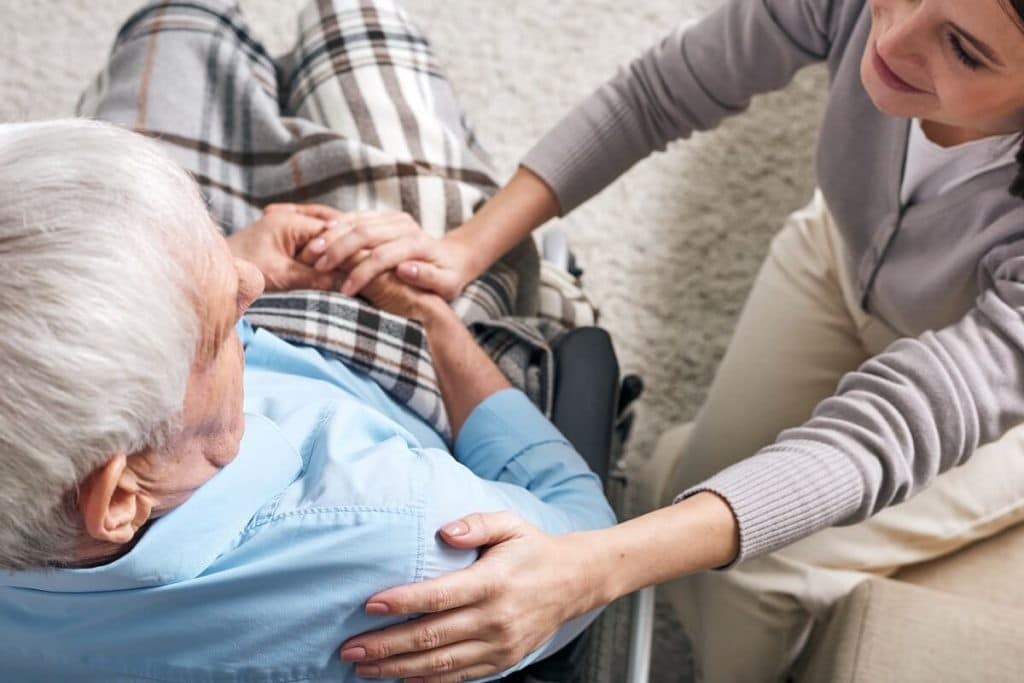
Getting a few hours of rest, knowing that your family member is in good hands, and being able to breathe easy again isn’t a luxury—it’s what allows you to keep living your life.
The Impact of Burnout on the Health of Caregivers and Care Recipients
Caregiver burnout is not a sign of weakness, but rather a real health problem with serious physical and emotional consequences.
A study by the School of Nursing at the University of Porto and RISE-Health, published in BMC Public Health in May 2026, concluded that 40.8% of the sample of caregivers exhibited symptoms of depression.
Prolonged exposure to stress is associated with cardiovascular problems, chronic insomnia, and immune system deficits.
There is also an effect that is rarely acknowledged: when a caregiver experiences burnout, the quality of care also deteriorates, since fatigue increases the risk of medication errors, falls, household accidents, and unintentional neglect. Caring for the caregiver is, in essence, doing the work of two people.
How to ask for help without feeling like you’re letting your family member down
Asking for help isn’t giving up; it’s a decision that requires courage and responsibility. So, start by sharing tasks with other family members, talking openly about how you feel, and accepting support without feeling guilty. Learn about your rights: understanding the rights and responsibilities of an informal caregiver and how to avoid burnout is an important step.
Also remember that there is professional, compassionate, and accessible support available, tailored to your family’s needs. If you feel you can no longer manage everything on your own, Hands Care is here to help.
Schedule a free consultation and find out how we can give you back your time, rest, and peace of mind without compromising the quality of care your loved one receives at home.