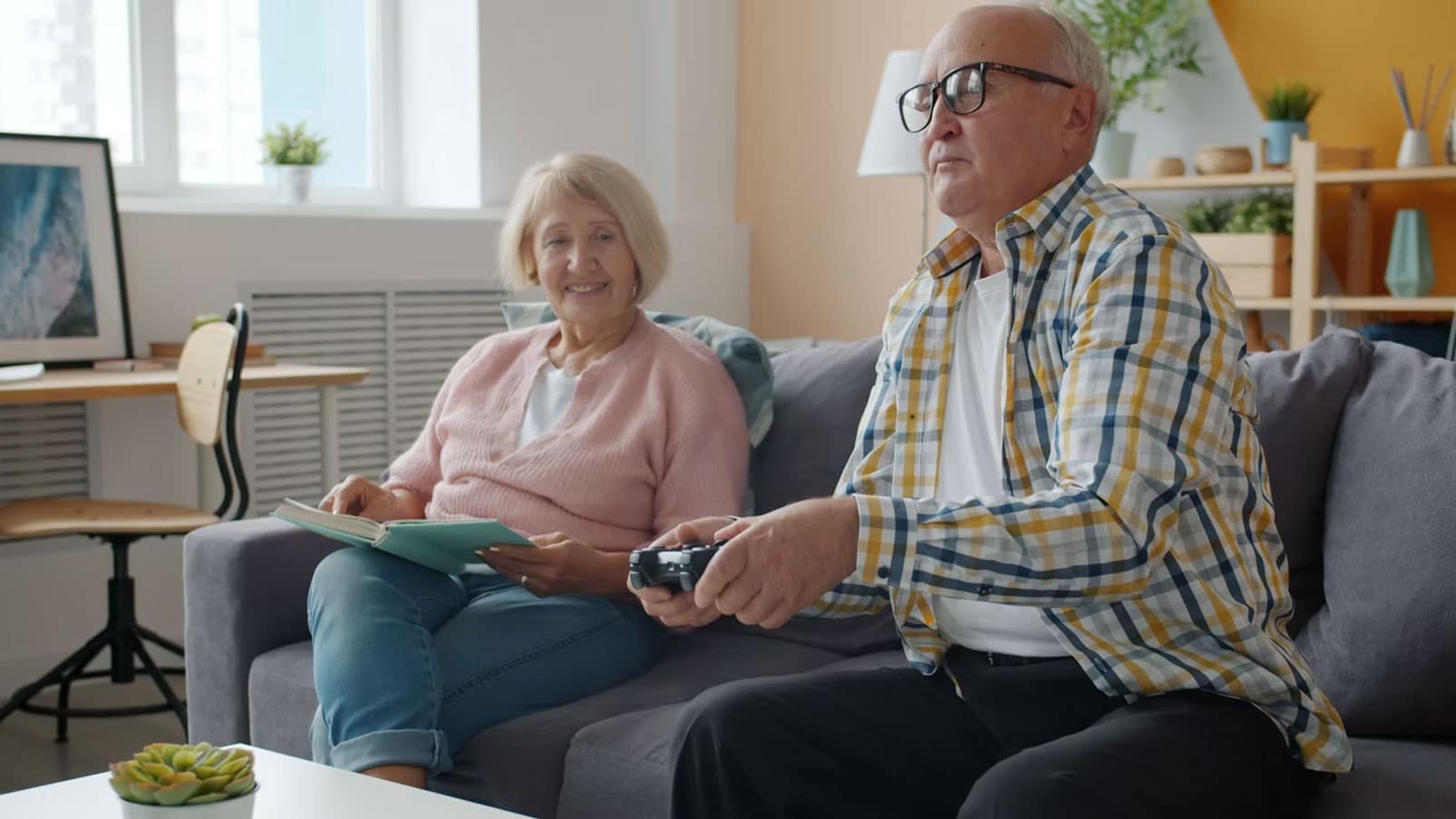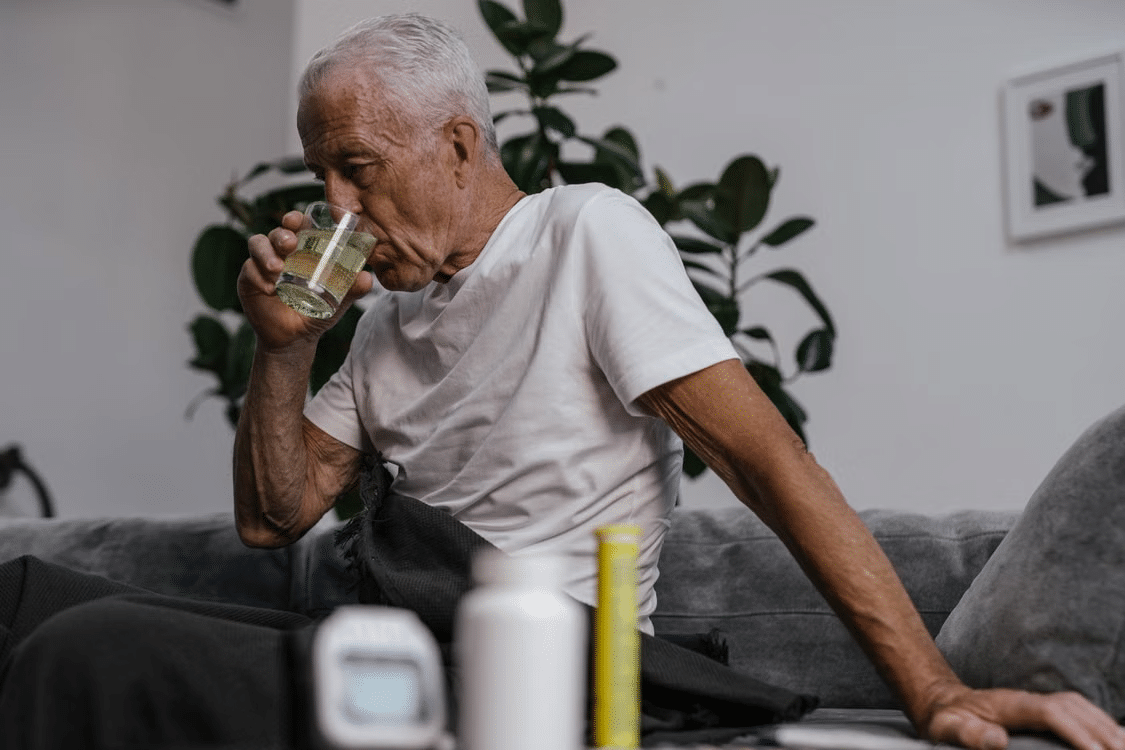
When a family member begins to need help on a daily basis, a difficult question inevitably arises: who should look after them and how?
Finding the right caregiver goes far beyond a simple search: it requires attention, criteria and, above all, the certainty that your loved one is in good hands.
At Hands Care, we know how much this process can weigh on a family, which is precisely why the home support we provide begins, first and foremost, with listening.
What does an elderly care worker do?
A caregiver for the elderly is the professional responsible for supporting people who, for physical, cognitive or other reasons, are no longer able to carry out all their daily activities on their own.
In practice, their duties include personal hygiene, help with mobility and positioning, preparing and administering meals, managing medication and accompanying people on trips. In addition to all this, the home care worker is also an essential human presence: someone who talks, listens and brings security to everyday life.
In Hands Care’s home care services, this support goes even further. For those who need clinical support, we also offer physiotherapy, nursing and general medical consultations at home, all as part of a personalized plan tailored to each person and family.
What is the difference between a formal and informal caregiver?
The informal caregiver is, in most cases, a family member, friend or neighbor who provides care without pay, driven by affection and a sense of responsibility.
Their role is invaluable and often Herculean, but the truth is that full-time care has a high emotional cost and can rarely meet all the needs of the elderly person.
The formal caregiver, on the other hand, is a professional with specific training, a contractual relationship and guaranteed employment rights.
In Portugal, companies that provide home care services are obliged to be certified by the Social Security, which is not just a bureaucratic requirement, but a guarantee that the care provided meets standards of quality, technical supervision and responsibility towards the family.
Understanding which solution best suits your reality is a fundamental first step and, often just as important as the decision itself, knowing the right moment to ask for help.
What are the essential qualities in a good caregiver?
Knowing how to take good care of the elderly goes far beyond a CV. A good caregiver is distinguished first and foremost by a set of human characteristics that no certification can replace.
Empathy and patience are the most crucial: caring for someone in a vulnerable situation requires genuine listening and a calm presence. Honesty and discretion are also essential, as the caregiver has access to the most intimate space of the elderly person and their family.
Technical training (in first aid, mobility, dementia or medication management) is another decisive criterion. Finally, the ability to communicate clearly and regularly with the family transforms the care relationship into a true partnership of trust.
Should you choose an independent caregiver or a specialized company?
Hiring an independent caregiver may seem like the most economical and flexible solution. However, it comes with considerable responsibilities: the family becomes the employer, which means managing the employment contract, guaranteeing the professional’s employment rights and ensuring a replacement in the event of absence or illness.
A home care company for the elderly like Hands Care offers a complete solution: carefully selected professionals, continuous training, technical supervision, guaranteed replacement and permanent communication with the family.
It’s an approach that provides peace of mind and the certainty that someone is always responsible for the quality of care, every day.
Questions to ask before hiring a caregiver
Before making any decision, it’s worth asking the right questions. Knowing what to ask is often what distinguishes a good choice from a rash one.
- What training and experience does the caregiver have? Practical experience is important, but certified training in areas such as mobility, medication management or dementia is equally relevant, especially when the elderly person’s needs are more specific;
- How do you communicate with the family? A good home care service for the elderly keeps the family informed on a regular and transparent basis, without them having to ask all the time;
- Is there a written, adaptable care plan? The plan should be drawn up on the basis of a real assessment of the elderly person’s needs and revised whenever the situation requires it;
- What happens if the usual caregiver is absent? The answer to this question says a lot about the solidity of the service. A serious company always has a solution ready, without leaving the family without support;
- Does the initial technical visit cost anything? At Hands Care, the initial assessment is completely free of charge and without obligation, and is the first step towards understanding together what support is most appropriate.
How you can involve your family member in this decision
Whenever possible, the elderly person should be an active part of this process. Involving them in conversations and respecting their preferences are gestures that reinforce their dignity and autonomy.
Some older people may show initial resistance, which is completely natural. In this case, approach the subject gradually, focusing on well-being and the importance of staying active and involved in everyday life.
Presenting home support as a complement to family care, rather than a replacement, can go a long way towards smoothing the transition, especially in cases where the elderly person is reluctant to accept help.
Warning signs to look out for after hiring
Finding a good caregiver doesn’t end the care process. In the first few months, it’s important to pay attention to the quality of the service provided.
Keep an eye out for changes in mood or behavior in your relative that didn’t exist before, signs of neglect in basic care, any attempt to isolate the elderly person from the family or changes in the daily routine without apparent justification. A serious and transparent company actively encourages this monitoring and responds promptly to any concerns.
How Hands Care can help your family
At Hands Care, caring for the elderly at home is a human commitment, built on empathy, rigor and genuine attention.
Licensed by Social Security (License 59/2025), we operate in Greater Lisbon with totally personalized care plans that include personal support, household management and home health services.
Our caregivers are carefully selected and continuously trained. We make every effort to ensure continuity, with the same caregiver every day and, whenever necessary, we present a replacement with the right profile beforehand.
Hands Care has a zero tolerance policy towards any form of mistreatment, neglect or abuse. To this end, it adopts risk prevention measures, namely:
- technical supervision;
- employee training;
- incident log.
The first step is simple and without obligation: book a free consultation and find out how we can take care of those who matter most, with the dedication they deserve.